Comments
A defining factor of the Marvel Cinematic Universe is officially defunct. Nearly two decades since Kevin Feige’s dream of an interconnected franchise was born via Robert Downey Jr. and Jon Favreau’s Iron Man, the MCU continues to bring stories from the pages of comics to the screen. Admittedly, things haven’t been as ideal as they had hoped in the last few years, as the Multiverse Saga has been mired by various issues that forced the franchise to change direction multiple times. It has been a far more turbulent period compared to the Infinity Saga, which had its flaws but was mostly unproblematic.
The return of directors Joe and Anthony Russo to spearhead the upcoming culmination of the Multiverse Saga in Avengers: Doomsday has bolstered people’s excitement about the franchise. In front of the camera, Chris Evans is also reprising his role as Steve Rogers while Robert Downey Jr. plays Doctor Doom. Specific plot details for the film are still tightly under wraps, but as Disney and Marvel Studios ramp up the marketing for the project, new details about the future of the MCU emerge, including the confirmation that Avengers: Doomsday will be Phase Zero, meaning it “isn’t leaning on anything from the past.”
Not relying on previous storytelling for Avengers: Doomsday makes sense, as the Multiverse Saga hasn’t been cohesive enough to build towards any kind of culmination. Instead, the Russos are tapping the new generation of heroes introduced during this period to be important players in the film, alongside legacy characters. What’s more interesting from their revelation is how they effectively confirmed that the use of Phases to delineate the MCU’s storytelling is now a thing of the past and won’t continue moving forward.
 Read Next Avengers: Doomsday’s Best Doctor Doom Theory Highlights One Important Character’s Absence
Phases Used To Be Clear Storytelling Markers For The MCU

For context, the 11-year Infinity Saga was broken into three phases. Phase ted with Iron Man and ended with The Avengers; Phase 2 kicked off with Iron Man 3 and wrapped with Ant-Man, and finally, Phase 3 began with Captain America: Civil War and bowed out with Spider-Man: Far From Home. The format technically continues with the Multiverse Saga consisting of Phases 4 to 6. But instead of a clear start and end, as they did in the Infinity Saga, the lines were more eroded. The fact that there hasn’t been a clear narrative throughline running the last five years of the MCU arguably contributed to this.
Previously, there was a clear distinction among the first three Phases of the MCU. The Avengers solidified Feige’s vision that an interconnected franchise on the big screen could work. Ant-Man functioned as a good palate cleanser after Avengers: Age of Ultron. Spider-Man: Far From Home was the Infinity Saga’s epilogue. Each beginning and ending also helped viewers remember major events in the franchise, especially those that eventually ended up being very important during its culmination in Avengers: Infinity War and Avengers: Endgame.
What Phase Zero’s Beginning Means For The MCU’s Future
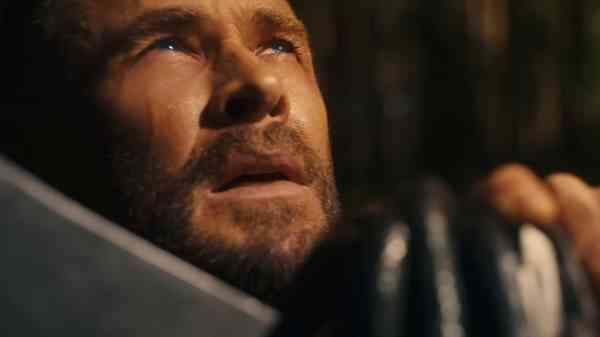
Interestingly, Feige said in 2025 that Marvel Studios was already working on the next three phases of the MCU after the Multiverse Saga, which will release in 2027. Although by then, the idea of Avengers: Doomsday and Avengers: Secret Wars supposedly resetting the franchise — at least parts of it — was already floating around. From that perspective, Phase Zero means the beginning of a new era for the MCU, which fits the bill.
That said, it also breeds confusion when looking at it from a marketing standpoint. While Marvel Studios has built a massive base throughout its history that’s knee-deep in the universe’s lore and canon, there’s also a significant chunk of its followers who are simply casual fans. Because of its universal appeal, the Infinity Saga was so difficult to ignore that even those who aren’t invested went to the cinema to watch the latest MCU fare. For those, rewriting the rules of its Phases could not only be confusing, but also a deterrent to continue keeping up with it moving forward. This could spell the franchise’s long-term survival, as Marvel Studios frankly needs to win back the public’s adoration after so many lost interest in it over the last few years.
It’s curious if Marvel Studios is introducing a new way to segment its storytelling to replace its Phases. If not, then the franchise’s format is also more likely to change, as it won’t have to adhere to its previous norm, where a Saga consists of three phases.
Avengers: Doomsday hits cinemas on December 18, 2026.
What do you think? Leave a comment below and join the conversation now in the Forum!
After 11 Years, Marvel Revives Its Boldest Avengers Risk for Doomsday (Will It Pay Off This Time?)