Unsplash: diana_pole
Many people look for ways to keep their brains sharp as they get older, from puzzle games to memory apps. Now, an NIH-funded researcher says one simple habit during your daily routine could help challenge your brain in a different way.
According to the CDC, about one in 10 adults aged 45 and older report worsening memory loss or cognitive decline. While there is no guaranteed way to prevent dementia, experts have long recommended activities that help keep the brain active.
Researcher says switching hands forces your brain to adapt
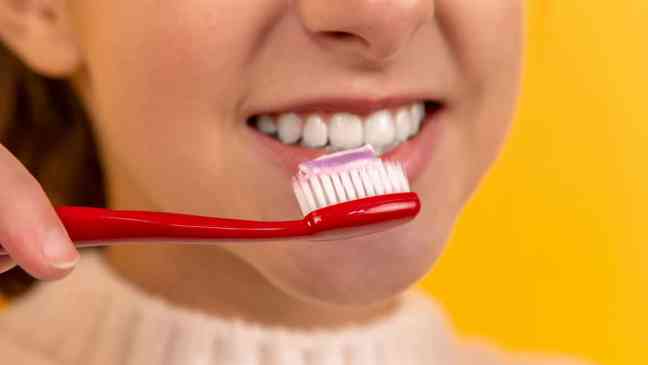
Neal K. Shah, an NIH-funded principal investigator, shared the tip in a viral TikTok video, encouraging people to brush their teeth with their “wrong hand,” meaning their non-dominant hand.
For most people, brushing their teeth is an automatic task that requires very little conscious effort after years of repetition. Shah explained that switching to the opposite hand forces the brain to pay closer attention and develop a new strategy to complete the same task.
That added challenge activates areas of the brain responsible for planning, coordination, and focus while encouraging neuroplasticity, the brain’s ability to reorganize and strengthen connections between brain cells through new experiences.
Shah also said that using the opposite side of the body during everyday activities, known as cross-lateral movement, can engage broader brain networks linked to attention, memory and coordination.
He explained that repeatedly introducing small challenges like this may help build cognitive reserve, which refers to the brain’s ability to continue functioning despite age-related changes or diseases such as Alzheimer’s and dementia.
According to Shah, brushing your teeth with your non-dominant hand is only one example of introducing novelty into everyday life. Learning new skills, exercising, staying socially active, and regularly challenging your brain in unfamiliar ways can also help strengthen cognitive reserve over time.

Playing League of Legends can improve your brain, study finds

NFL star’s mistake was so funny, it gave a fan a seizure and actually saved their life
While habits like these may support long-term brain health, they are not a proven way to prevent dementia or Alzheimer’s disease, and experts recommend combining mental stimulation with regular physical activity and other healthy lifestyle habits.
Earlier this year, researchers also identified another potential link between everyday habits and brain health after a long-term study found that people who regularly ate high-fat cheese had a lower risk of developing dementia.