Comments
The legal battle over gaming conservation has reached American courts, with the ESA arguing against the Stop Killing Games movement. The company was present at a California State Senate hearing over a proposed Protect Our Games Act. The State Senate ultimately decided against moving forward with the act, which is a blow to the games preservation movement. It also resulted in ESA Vice President Jennifer Gibbons delivering a wild argument where she claimed that private servers are illegal.
“They are not in any way affiliated with Microsoft. Microsoft, for Minecraft, has gotten a lot of criticism because of those community servers not employing the same safety standards that Microsoft does on their Minecraft servers.” Its argument is that private servers infringe on IP rights of game publishers, leaving them without the oversight that formal releases often enjoy. While there is a certain amount of validity to that comment, the blanket view that private servers are illegal feels like an overstatement — and it could have a chilling effect on the way fan projects can transform games into something new.
The ESA’s Case Against Private Servers, Explained

The ESA’s argument against private servers is that they encourage independent gamers to break copyright law by messing with IP and tweaking it into their own unique forms. This can result in servers that don’t adhere to the same level of scrutiny and safety standards as the rest of the property. However, that broad-strokes perspective on private servers is already being walked back, according to PC Gamer. After reporting on the court case, PC Gamer received a statement from the ESA with “additional clarity” on the subject, which took note of how private servers that “specifically host or distribute copyrighted game content” without clear authorization from the IP owners are the concern.
They also gave grace to the idea that publishers may take different approaches to the issue. There is some validity to the argument from the ESA when considering stuff like the World of Warcraft private servers, where players using the “Project Ascension” server effectively get access to the game for free. However, that server has also proven to be a breeding ground for inventive gameplay tweaks. This is where the true value of private servers as a concept rests — and why it’s worrisome to see the ESA and publishers like Blizzard coming down so hard on them.
Why Private Servers Are Good For Gaming
From a business perspective, there’s an argument to be made that private servers go against the stated intentions of game publishers and IP holders. For players and aspiring developers, though, messing with an established game in their own private corners and experimenting with new mods on private servers. Something like “Project Ascension” gave players a fresh way to play World of Warcraft that reinvigorated some fans’ enthusiasm for the game. While their business practices meant that Blizzard was within their rights to have the server shut down, it also means that an experimental approach to gameplay may no longer get the chance to be refined and improved upon.
Private Minecraft servers may differ from the officially released game spaces for the title, but they also fully embrace the sense of endless possibility and limitless creativity baked into the game. Custom mods and private experiments have led to some truly game-changing turns for the industry, such as the Warcraft III mod “Defense of the Ancients” eventually leading to the creation of DOTA and League of Legends. Game developers often get their starts as fans and develop their own titles using the bones of previous games.
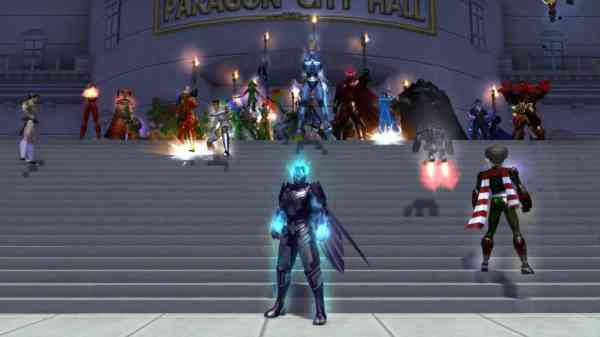
Private servers offer opportunities for now-defunct games like City of Heroes to live on long after the service was formally shut down, something the creators of the game have supported. That sort of game preservation afforded by those servers could be a key way that perpetually online games in the modern space could survive in some form, validating the work of developers and allowing future generations to play and learn from those games. While companies can shut down private servers, the argument that they are all inherently illegal and misguided could have a very big impact on a generation of gamers who don’t get the chance to experiment and create something new.
Do you think private servers should be illegal across the board? Let us know in the comments and on social media!


