Comments
The controversy over DC’s Supergirl movie continues, as the movie crashes and burns in theaters. As of writing this, it’s been announced that Supergirl has experienced a massive second-week drop in box office profits and will have the shortest theatrical run of any DC movie ever (just 33 days). In addition, reports have come to light that the version of Supergirl that was released in theaters was a studio cut of the film that wasn’t what director Craig Gillespie intended.
Now there’s a lot of anxiety within the DC fandom that we’re seeing history repeat itself: The era of Zack Snyder’s “DCEU” franchise was defined by repeated cases of Warner Bros. stepping in and altering the vision of the filmmakers working on DC films. So is Supergirl evidence of the fact that Warner Bros. is once again stepping on the DC movie-making process, and should fans be feeling triggered by old traumas?
Supergirl Was A Contest of Vision
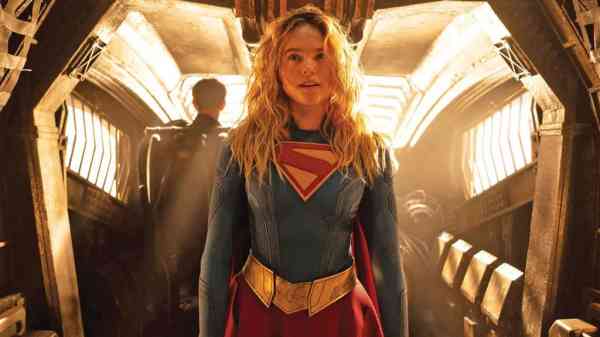
No, now is not the time to be concerned that ‘the DCEU is happening all over again.’ There are massive differences between what happened with Supergirl and what happened with DCEU films like Batman v Superman, Suicide Squad (2016), and (most of all) Justice League. Let’s discuss why.
The details of what happened to Supergirl are important to note: As per the trade reports, there were creative differences on the film during production between the director (Gillespie) and the DC Studios creative team, led by James Gunn. It is reported that these differences were productive at first, but as production wound down into post-production, the conflict wasn’t resolved. So something had to be done.
The thing to focus on is this: to resolve the issue, Gunn and his DC Studios co-head Peter Safran appointed two editors to create two cuts of Supergirl, one based on Gillespie’s vision and the other based on the studio’s vision. Both versions were screened for test audiences, and the studio cut allegedly won out by a small margin of points.
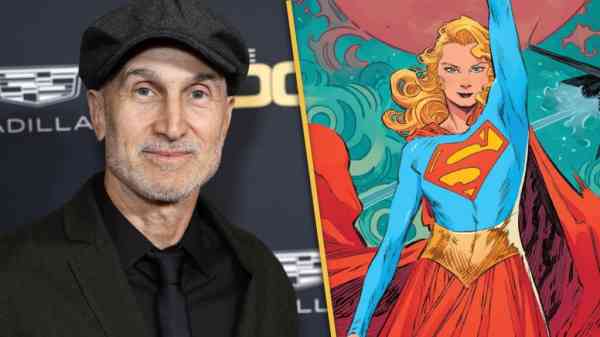
Now we could nitpick the idea of the studio stepping into a director’s creative process – but that’s not exactly unusual or egregious for Hollywood. The entire role of a producer is to step in and monitor whether or not the creative vision and process are aligning with studio expectations and budget, and if need be, become the controlling force that steers the creatives and/or executives where they need to be to get the job done right. In that sense, James Gunn and Peter Safran should rightly be looked at as being kinder producers than most: they respected Gillespie’s vision enough to give it a full edit and test that edit to see if they were wrong about it.
Where they can be criticized, perhaps, is in using the nominal point differential (supposedly less than 5) to override Gillespie’s vision. The studio version didn’t score high enough to guarantee it would outperform the director’s cut, especially at a studio whose heads pledged themselves to be major supporters of creators. Now, Gunn is paying for his influence on Supergirl in public backlash, and far more skepticism about his endorsements and promises to fans. So perhaps, lesson learned?
Zack Snyder’s Justice League Was A Studio Hijacking
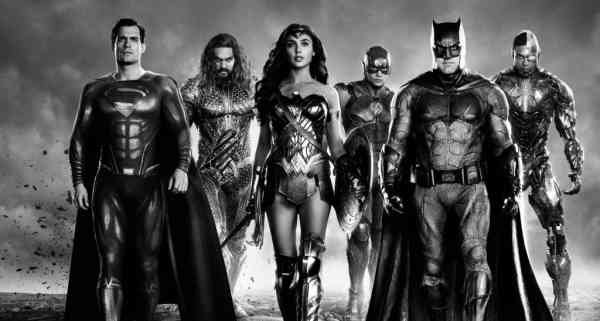
Zack Snyder never got the chance to test his Justice League movie against a version the studio wanted – he never even got to finish the film. Snyder was pulled from Justice League with somewhere between an estimated 75%-90% of the principal photography shot, incomplete visual effects, and an unfinished audio mix. Snyder reportedly turned in multiple cuts to the studio nearly a year after shooting began (April of 2016), and that’s where things took a sharp turn. Warner Bros. executives didn’t like any of Snyder’s cuts and made an unprecedented move: they pulled him from the film and hired a new director (Avengers‘ Joss Whedon) to come in and conduct massive reshoots, which were then merged with some of Snyder’s footage, in one of the most bizarre Frankenstein mashups ever seen in blockbuster films.
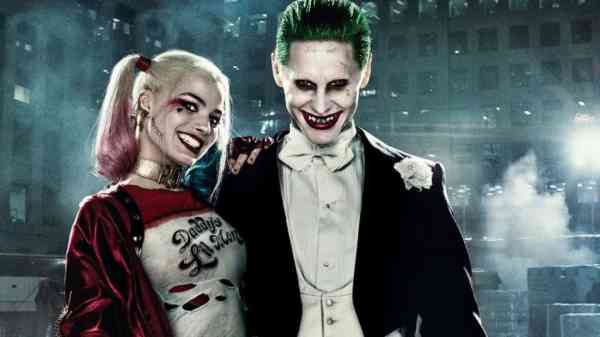
This was the culmination of a bad relationship between the director and the studio; Warner Bros. had already stepped in and radically altered Snyder’s original cut of Batman v Superman: Dawn of Justice, leading to fan demand for a director’s cut that was eventually released on home video. It was a case of a studio interfering with a filmmaker on a level we hadn’t seen before, and haven’t seen since. Snyder wasn’t the only one who felt that interference: Suicide Squad (2016) director David Ayer spent many years campaigning for his original cut of that film to get a release; unlike Snyder, he never got the opportunity.
What was more significant was that Snyder wasn’t just a director working on a DC project; he was the shepherd of the entire DCEU franchise as a producer, whose influence extended beyond his own films to success stories like Patty Jenkins’ Wonder Woman (2017). Pulling Snyder from Justice League was like signaling that the entire DCEU required creative regime change – which, ironically enough, came from James Gunn being handed increased influence over the franchise before it was rebooted into the DCU.
To say that the situation with Supergirl is equivalent to Justice League is just a false equivalency, plain and simple. There may be a lot for Gunn and Safran to learn from the situation, but they’ll no doubt do just that. So far, there’s little indication that there are clashes over upcoming DCU projects like Clayface, HBO’s Lanterns, or Gunn’s own sequel, Man of Tomorrow.
Supergirl will be released on digital on July 28th. Discuss the state of the film and the DCU with us on the Forum!
5 Reasons Why Supergirl Has Me Worried About the Future of the DCU