Pexels
A complaint about a cake order helped authorities uncover a network of fake restaurant listings operating across China’s food delivery apps.
The investigation began after a customer in Beijing raised concerns about a cake order, after they discovered it was covered in inedible flowers. However, this complaint led officials to uncover a much larger network of ghost kitchens operating across the country’s major delivery platforms.
While ghost kitchens operate across the UK and US, Chinese authorities claim many of the businesses identified in this investigation were using misleading listings and forged credentials.
Authorities say the listings were linked to millions of food orders, sparking a nationwide crackdown and raising concerns about food safety in China’s highly competitive delivery market.
Bad cake leads to nationwide investigation
According to the BBC, officials examined the cake chain and uncovered that they had listed 380 store locations despite having no physical stores. To make matters worse, the company reportedly used forged business licenses and outsourced orders to external suppliers to fulfill their whopping 3.6 million cake orders (that’s a lot of cake!)
As you can imagine, this didn’t go down well with local law enforcement and prompted further investigations into the ghost kitchen boom. The discovery sparked a wider investigation and revealed a system where customer orders were being transferred between platforms before being assigned to the cheapest third-party vendors.
These findings have raised concerns that intense competition within China’s food delivery market may be encouraging businesses to prioritize lower prices over transparency and food safety.

DoorDash responds after customer uses AI to make food look bad and get a refund
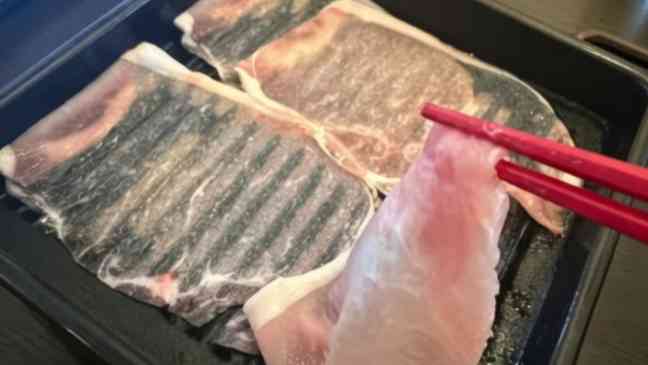
Restaurant apologizes after ultra-thin see-through pork slices go viral
Pexels
To help combat misleading ghost kitchens, new regulations have been introduced that require delivery platforms to verify restaurant licenses and physical addresses, while businesses must ensure their online listings accurately reflect their real-world operations.
Meanwhile, some restaurants have installed “transparent kitchens” that allow customers to watch food preparation through livestreams, while officials in one province have partnered with major delivery platforms to test AI-powered kitchen monitoring systems.
Delivery drivers are also rewarded for reporting any sketchy restaurants they believe to be operating an illegal business.
It’s not just China’s competitive food delivery market that has been facing scrutiny this year, as back in May, Temu was hit with a $232 million fine for letting “illegal products” flood its online storefront.